The Best Irons for Scratch Golfers: What I’ve Learned on the Course
If you’ve spent any time around a scratch golfer’s bag, you know it’s a different world. There’s a precision, a deliberate choice in every club that goes beyond what most recreational players think about. Over the years, I’ve watched scratch golfers test, swap, and obsess over their iron sets in ways that taught me a lot about what actually matters in club design. The conversation always comes back to one central question: what are the best irons for scratch golfers right now? The answer shifts with new releases, but the criteria stay the same, feel, consistency, and the ability to control a blade through impact.
I’ve been inside Austie’s Golf Shop in Bradenton, Florida, more times than I can count, watching scratch golfers pick up a Mack Daddy or a RadSpeed and put it through the paces on the GC Quad. That testing data tells a story that marketing never can. The GC Quad doesn’t lie. It captures every variable, face angle, path, dynamic loft, and spits out numbers that separate hype from performance. When a scratch golfer trusts a club, it’s because they’ve seen that data line up with what their hands feel.
What Makes an Iron Work for a Scratch Golfer?
A scratch golfer isn’t looking for forgiveness in the same way a high-handicap player might. They want feedback. They want to know exactly where the club face was at impact, and they want that information delivered through their hands, not hidden by a big sole or a hot face. The best irons for scratch golfers tend to have a few things in common: a clean leading edge, consistent bounce characteristics, and a sole that doesn’t interfere with the turf interaction.
I’ve seen guys at the shop spend an hour just feeling the leading edge of a single iron, running their thumb along it, comparing two heads side by side. That level of detail matters. A leading edge that’s too sharp can dig and grab, while one that’s too rounded can skip off a tight lie. The ideal sits somewhere in between, and different manufacturers nail it differently. Cobra, for instance, has always done interesting things with sole geometry, and their recent releases, like the RadSpeed, show a real understanding of how a scratch golfer actually swings.
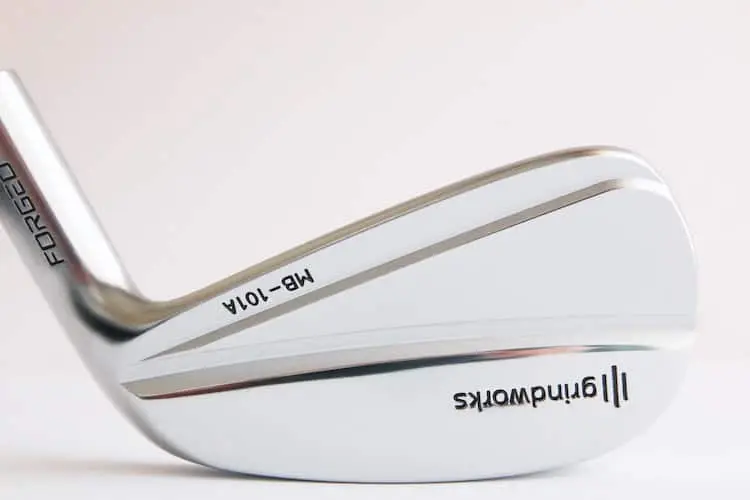
Heads I’ve Seen Perform on the GC Quad
I’ll never forget the day a scratch golfer brought in a set of PXG heads to test on the GC Quad. He’d been playing them for a month and wanted to see if the data backed up his feel. The PXG irons have a distinct look, that deep cavity and the weight distribution, and on the Quad they showed a very consistent dynamic loft through the hitting area. The guy was happy, but he admitted they weren’t quite as crisp as the TaylorMade set he’d tested the week before. TaylorMade has a reputation for making clubs that feel responsive through impact, and the GC Quad numbers usually support that.
Another head that keeps showing up in scratch golfers’ bags is the Mack Daddy from Cobra. It’s been around for a while, but there’s a reason it hasn’t disappeared. The Mack Daddy has a sole that works well on a variety of turf conditions, and the face texture helps with ball spin consistency. I’ve watched guys hit shots with it that look almost boring, just a straight, level swing, and the ball takes off exactly how you’d expect. No surprises. That’s what scratch golfers want.
The Shaft Matters Just as Much
You can’t talk about the best irons for scratch golfers without talking about shafts. The club head is only half the equation. The shaft dictates how the head delivers to the ball, and the wrong shaft can ruin a great head. I’ve seen players at Austie’s Golf Shop swap a KBS Steel shaft onto a head they already loved and watch their dispersion tighten up immediately. KBS Steel has a distinct feel, a little heavier, a little stiffer, that some scratch golfers prefer for the feedback it gives through the swing.
True Temper shafts are another staple in that world. The TT Tour model, in particular, has a loyal following among scratch golfers who want a consistent bend profile. I’ve also seen the Micro Max shaft used by a few players who like a slightly lighter feel without losing stability. The combination of a good head with the right shaft is where the magic happens, and it’s why scratch golfers will spend hours at the shop mixing and matching.
Specialty Brands Worth Knowing
Beyond the big names, there are smaller manufacturers that scratch golfers pay close attention to. UST Mamiya, for example, makes heads that are known for their precise weighting and clean sole design. I’ve seen a few scratch golfers at the shop in Bradenton switch to UST Mamiya and never look back. The Balance Plus head from that same lineage has a reputation for being incredibly stable through the hitting zone, which is exactly what you want when you’re trying to hit the same shot over and over.
Lawson Golf is another brand that comes up in these conversations. Their heads tend to be a bit more traditional in shape, but the quality control is excellent. I’ve watched a scratch golfer pull a Lawson head out of the box, put it on the GC Quad, and see numbers that were within a tight tolerance of the previous head in the same model. That consistency builds trust. Looper is a newer name, but I’ve seen a few players try their heads and come away impressed with the feel through impact.
Milled is a brand that takes a different approach, they machine their heads from a solid block, and the result is a club that feels incredibly solid in the hands. I’ve talked to scratch golfers who say the Milled heads give them the most feedback they’ve ever felt, which is exactly what they want. The downside is that they’re expensive, but for a scratch golfer who plays every day, the investment can pay off in better feel and more consistent results.
Where the Data and Feel Come Together
The best part of watching scratch golfers test clubs is seeing when the data from the GC Quad matches what they feel. It doesn’t always happen. Sometimes a head feels great in the hands but the numbers show a slight inconsistency in dynamic loft. Other times the data says a head is perfect but the player just doesn’t like the way it swings. The scratch golfers who really know their stuff trust both. They use the GC Quad as a tool, not a judge. If the feel and the data agree, they know they’ve found something good.
I remember one afternoon at Austie’s Golf Shop when a scratch golfer was testing three different heads, a TaylorMade, a Cobra, and a PXG, and the GC Quad showed that all three had very similar numbers for face angle at impact. The difference came in the sole interaction. The TaylorMade head had a slightly sharper leading edge that made the club dig into the turf a little more on a steep swing, while the Cobra head with its smoother sole slid through cleaner. The PXG sat somewhere in the middle. The player ended up picking the one that felt best through the turf, even though the numbers were close. That kind of decision-making is what separates scratch golfers from everyone else.
Practical Advice for Scratch Golfers
If you’re looking for the best irons for scratch golfers, start with what you already know about your swing. Do you tend to take a deep divot, or do you sweep the turf cleanly? Do you like a heavy club that you can feel throughout the swing, or something lighter that you can move faster? Those preferences will point you toward certain head shapes and shaft types. Then, get yourself on a GC Quad or a similar launch monitor and test a few options. Don’t just hit five balls with each and call it a day. Hit twenty. Fifty. The data gets more reliable the more swings you take, and you’ll start to see patterns that tell you which head really works.
I also recommend talking to the people at your local shop. The guys at Austie’s Golf Shop in Bradenton know scratch golfers and what they need. They’ve seen hundreds of players go through the same process, and they can point you toward heads that fit your swing. Brands like Golf Pride and Scratch Golf itself have lines that are designed with scratch golfers in mind, and those are worth a look. Scratch Golf, in particular, has a history of making clubs that feel right in the hands of players who demand precision.
At the end of the day, the best iron for you is the one that lets you hit the same shot over and over without thinking about the club. When you find that, you’ll know. The data will back it up, and your hands will agree. That’s the signal scratch golfers chase, and it’s worth the time it takes to find it.